
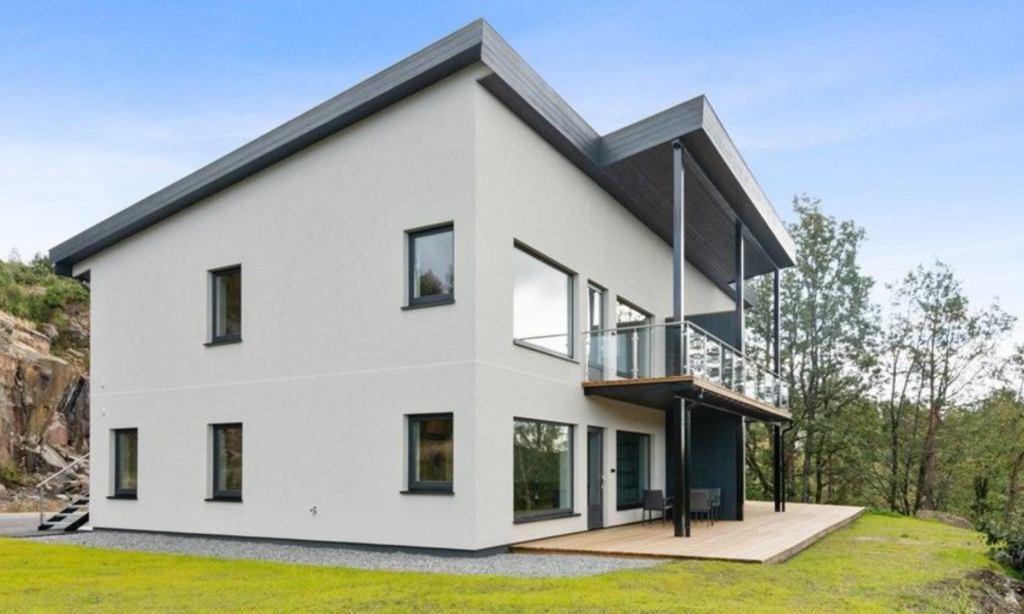
In today’s construction sector, energy-efficient and sustainable building solutions are no longer just trends — they’re standards. Developers, architects, and contractors aim to deliver buildings that are comfortable, quiet, and energy-efficient all year round.
While structural materials often receive most of the attention, the true energy balance of any building heavily depends on one key element — its windows and doors. As these components are the most thermally sensitive parts of the envelope, selecting the right system is crucial for achieving performance and compliance targets.
Aluminium, PVC, or Wood — Which Material Performs Best?
For many years, the choice seemed simple:
PVC (plastic) windows were known for practicality and durability,
Wooden windows were favored for their natural aesthetics,
Aluminium systems were considered suitable only for commercial and public buildings.
However, this perception is rapidly changing. Long-standing myths about aluminium — high price, limited design options, and poor thermal insulation — no longer reflect modern reality. In fact, today’s aluminium systems can outperform traditional materials in several key areas.
AVEPLAST, in partnership with Reynaers Aluminium, is helping to redefine how the market views aluminium solutions for both residential and commercial construction.
Myth #1: “Aluminium Means Cold”
This outdated belief stems from early-generation profiles that lacked effective thermal breaks. Those days are gone.
Modern aluminium window systems offer excellent thermal insulation, fully meeting — and often exceeding — energy efficiency standards required for Northern European climates.
For example, the Reynaers MasterLine 8 system, offered by AVEPLAST, provides three insulation levels, and with the HI+ configuration, fully meets the A+ energy class requirements.
| Profile Type | Thermal Transmittance (Uw) | Frame Width (mm) | Comparison |
|---|---|---|---|
| Wooden | 1.3–1.4 | 73–78 | Baseline |
| PVC | 1.2–1.3 | 70–76 | Baseline |
| MasterLine 8 HI+ | 1.0–1.2 | 76 | Equal or better |
| MasterLine 10 | 0.9–1.0 | 82–98 | Superior performance |
These systems are specifically designed to perform under Baltic climate conditions — combining exceptional energy efficiency with structural integrity and architectural flexibility.
Myth #2: “Limited Design Options”
Another misconception is that aluminium restricts architectural creativity. In reality, aluminium is one of the most versatile and adaptive materials available.
It allows for larger glazed areas, slimmer frames, and greater design freedom, providing more natural light and a cleaner aesthetic.
The Reynaers Aluminium portfolio — available through AVEPLAST — includes solutions for both modern minimalism and heritage renovation. Styles such as Renaissance and Softline recreate period architectural details, offering timeless elegance with the performance of a modern system.
When it comes to finishes, aluminium is no longer limited to basic RAL colors. You can choose from:
Wood-effect coatings for a natural look
Metallic, Coatex, and anodized finishes for premium designs
NCS color palette for precise, custom-matched shades
This broad selection enables architects and developers to align aesthetics with brand identity or specific project vision.
Myth #3: “Aluminium Is Too Expensive”
Price comparison between materials can be misleading unless identical specifications are compared. For projects involving large glazing surfaces, aluminium and PVC systems often reach a similar price level, while wooden systems usually remain more expensive due to their complex manufacturing and maintenance requirements.
Additionally, aluminium systems deliver a better long-term ROI:
10-year warranty from Reynaers Aluminium, supported locally by AVEPLAST
No surface maintenance or repainting required
High durability and resistance to deformation over time
When lifecycle costs are considered — including installation, maintenance, and energy performance — aluminium often becomes the most cost-effective option for both residential and commercial developments.
When Scale and Performance Matter
For projects that require large glass facades, winter gardens, or high-load structures, aluminium is unmatched. Its exceptional strength allows for:
Narrower frame profiles
Greater daylight penetration
High security and wind resistance
Architectural flexibility for unique shapes and large openings
That’s why aluminium has been the preferred choice of architects and engineers for over 30 years — enabling iconic, durable, and visually striking buildings around the world.
Reynaers Aluminium systems, distributed and installed by AVEPLAST, use a specialized alloy that resists oxidation and atmospheric effects, ensuring long-term stability even in harsh climates.
The Smart Choice for Modern Developments
Thanks to continuous innovation, aluminium is now a leading option for private residential, multi-apartment, and commercial construction projects.
It offers:
Superior thermal and acoustic insulation
Resistance to temperature fluctuations and weather
Long service life with minimal maintenance
Endless design freedom and finish customization
With AVEPLAST and Reynaers, you can specify systems that combine form, function, and performance — perfectly aligned with the expectations of modern architecture and sustainable construction.